
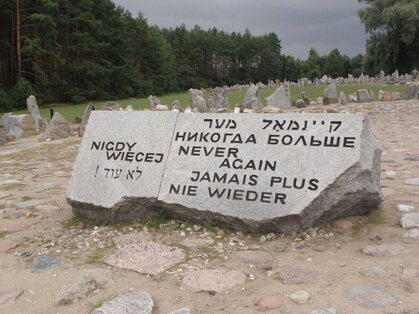
 Over the last couple of years, studies have been conducted that reveal how little today's students know about the Holocaust. One of these studies by The Claims Conference, examined the knowledge base across five countries, including the United States. Here are some of their shocking discoveries as reported in the U.S. Millennial Holocaust Knowledge and Awareness Survey. Among American Millennials and Generation Z:
Yes. Holocaust education should be a part of every school curriculum around the world. There should be multiple sessions on it at different periods of a student's learning career. The older they get, the more they can understand. It's not a "one and done" lesson. But, we can't wait for school systems to catch up with the need. And we don't have to be a child or young adult to invest time in Holocaust education. We can each learn on our own. I recently realized how far I've come in my own education and most of it came through either personal study or through my time with The Matzevah Foundation. 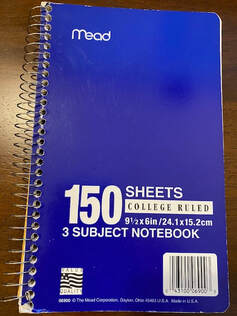 A few years ago, I found a journal I kept in a "Voices of the Holocaust" class I took at my university. Our professor saw the importance of students having an outlet to process their thoughts and feelings after each class. Our twice weekly lectures were always heavy; full of heartbreaking stats, facts that seemed too gruesome to be believed, and stories of those who lived through the Holocaust that left us in awe. Part of our weekly assignment was to journal after each lecture. I read back through my writings last week. While I came to the class with a basic knowledge of the Holocaust, I realized I only knew enough to skim the surface. My journal entries are full of stats and the initial thoughts I had to things that now, more than two decades later, I know by heart. I saw my initial horror at what the Holocaust really was and my shock over how it came to that climax of hate, death, and destruction. As I read my entries, I realized how simple and basic my thoughts were back then. And that's good! It shows that I was willing to start somewhere. To have an open mind and heart to want to understand what happened to the millions of Jews, Gypsies, prisoners, and others who died during the Holocaust. I wanted to know how average people were caught up in a hatred and fear of their fellow man that led them to want to cleanse the world of these "undesirables." In one entry, I wrote "Someday I would like to go to Poland." My professor wrote back, "Yes, you have your whole life ahead of you." Little did I know how nine years later that would become a reality when I went to Poland for the first of what would become eleven times (and once to Ukraine)... and counting. Restoring Jewish cemeteries is what brought me to Poland initially. What keeps me coming back is the continued on the ground work we do in preserving cemeteries but it's become more than that. It's about the people I've met who work alongside us. We share our stories, what brought us to Poland, why we see it's important to care for Jewish cemeteries, and so much more. There's a lot of laughter shared as we work and live together. There are also shared tears when we ponder together the magnitude of the Shoah. 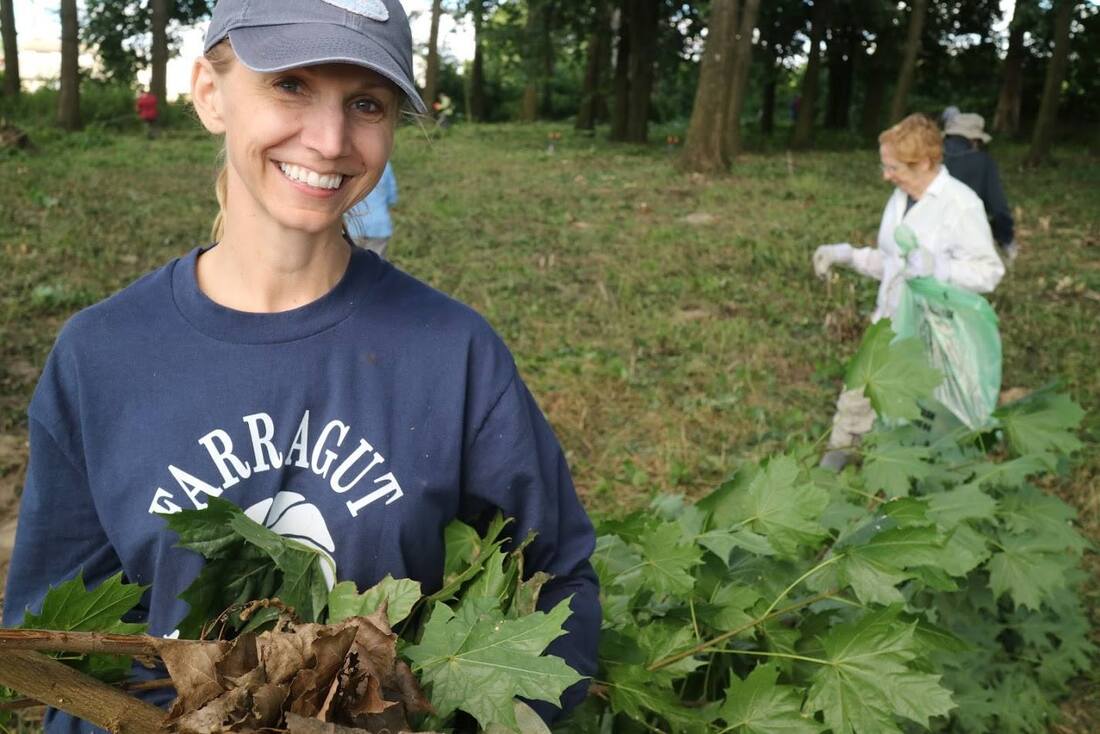 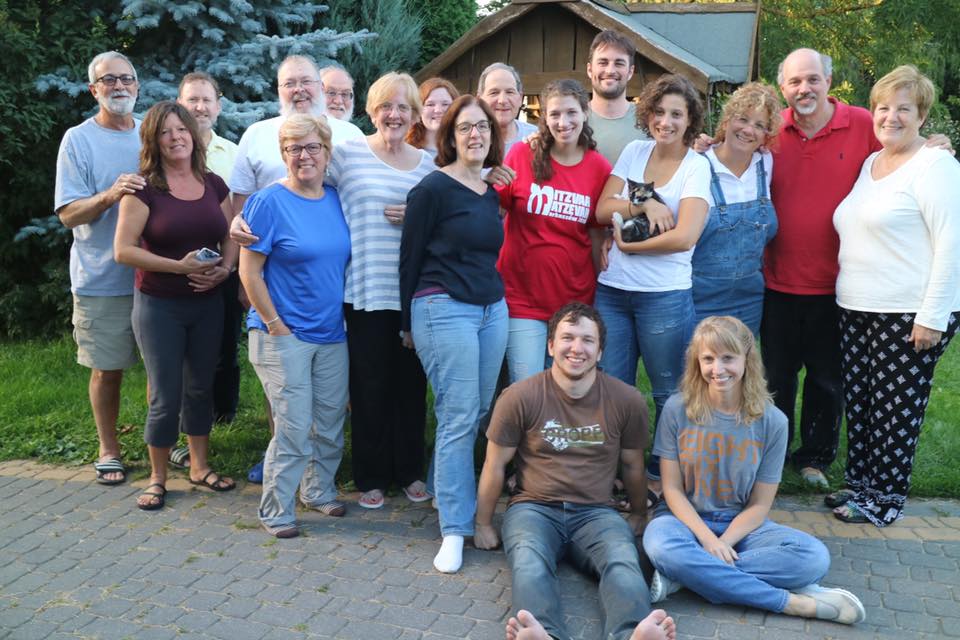 My Holocaust education has grown exponentially from those days of my university journal. I believe I am a richer person for knowing some of the names, the faces, and the lives that were lost in the Shoah. Every time I read about a person who endured those hard days, I am remembering them. Someone somewhere on the other side of the world in 2021 is remembering that they lived. That they were a beloved family member. Contributed to their friends, village, and culture. Their lives were not wiped from the earth as the perpetrators tried to do. I am remembering them.  Today, I have multiple journals and notebooks filled with observations, learnings, and reflections that have come from my travels, work in Poland, courses I've taken, and movies I have watched. I've come a long way from that half filled little blue spiral notebook.
I challenge you on this International Holocaust Remembrance Day to think of what you can do to learn more. Read a book. View an online exhibit from Yad Vashem or the United States Holocaust Memorial and Museum. Watch a film. Take a class. Talk with others. Ask your older family members what they remember about the war. Every moment you spend in learning will bring you a greater awareness of our past so we can work to not repeat these same horrors tomorrow. We each have a roll to play. We each can remember. - Rachel McRae, Director of Communications for The Matzevah Foundation The Matzevah Foundation has put together lists of recommended books and movies to help get you started. We encourage you to check them out.
0 Comments
There's something about hearing a survivor's testimony firsthand through a powerful documentary that makes the Shoah, or Holocaust, come alive for generations who came after it. Dramatic movies can paint both the terror and the unwavering hope that millions of people lived with during the War. All are visual reminders and aides that we can access today to learn more about the Shoah. Below is a list of documentaries and movies that can get you started. We have included the year of release and rating, if known. Click on the title to learn more about the film. Please be mindful that many of these may not be suitable for children given the topic. Oh, and are you a reader? We have collected a book list, too, so be sure to check it out. Documentaries A Film Unfinished (2010, not rated) A Treasure in Auschwitz (2005, not rated) Auschwitz: Inside the Nazi State (2005, not rated) Paper Clips (2004, rated G)  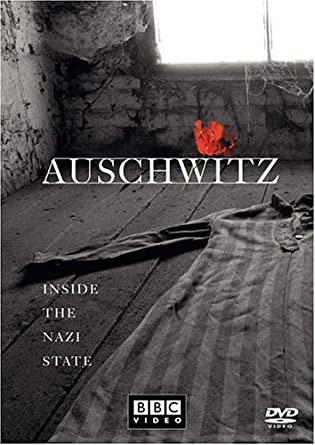 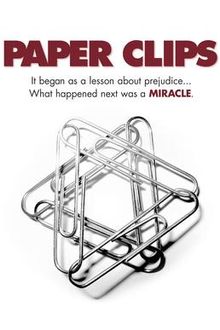 Prisoner Number A26188: Henia Bryer (2015, not rated) The Presence of Their Absence (2019, not rated) Treblinka: Inside Hitler's Secret Death Camp (2013, not rated) Warsaw: A City Divided (2019, not rated) 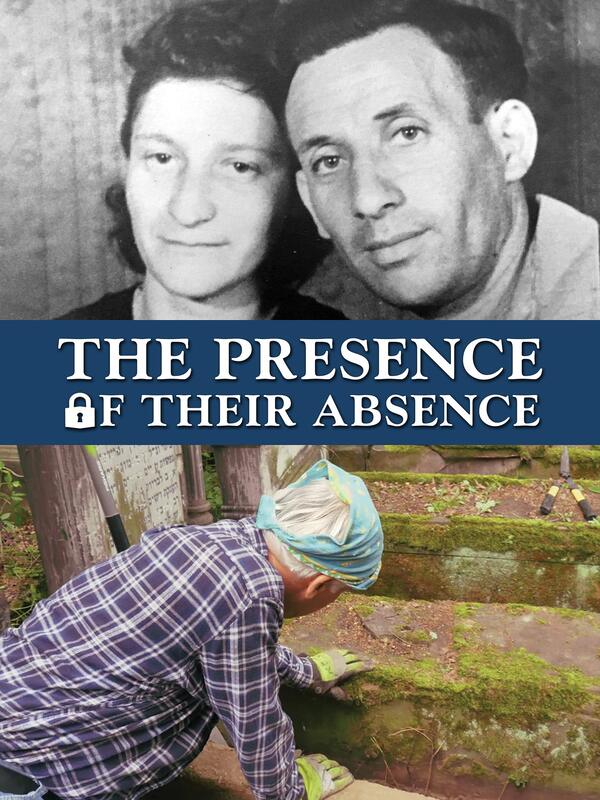   Feature Films 1945 (2017, ages 16+) Defiance (2008, rated R) Denial (2016, rated PG-13) Escape from Sobibor (1987, not rated) Everything is Illuminated (2005, rated PG-13) Ida (2013, rated PG-13) In Darkness (2005, rated R) Jakob the Liar (1999, rated PG-13) Korczak (1990, not rated)    Life is Beautiful (1997, rated PG-13) Operation Finale (2018, rated PG-13) Playing for Time (1980, ages 16+) Schindler's List (1993, rated R) Son of Saul (2015, rated R) The Book Thief (2013, rated PG-13) The Boy in the Striped Pajamas (2008, rated PG-13) The Courageous Heart of Irena Sendler (2009, rated PG) The Diary of Anne Frank (1959, not rated, but suitable for young adults)   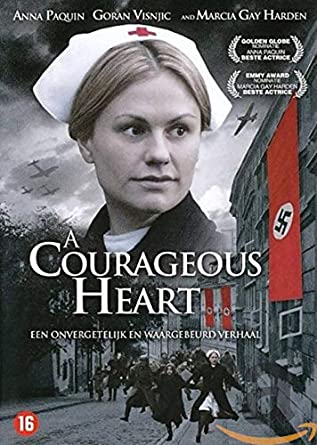 The Hiding Place (1975, rated PG) The Pianist (2002, rated R) The Zookeeper's Wife (2017, rated PG-13) Uprising (2001, not rated) Warsaw '44 (2014, not rated) Woman in Gold (2015, rated PG-13)  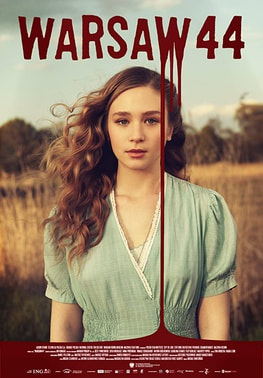 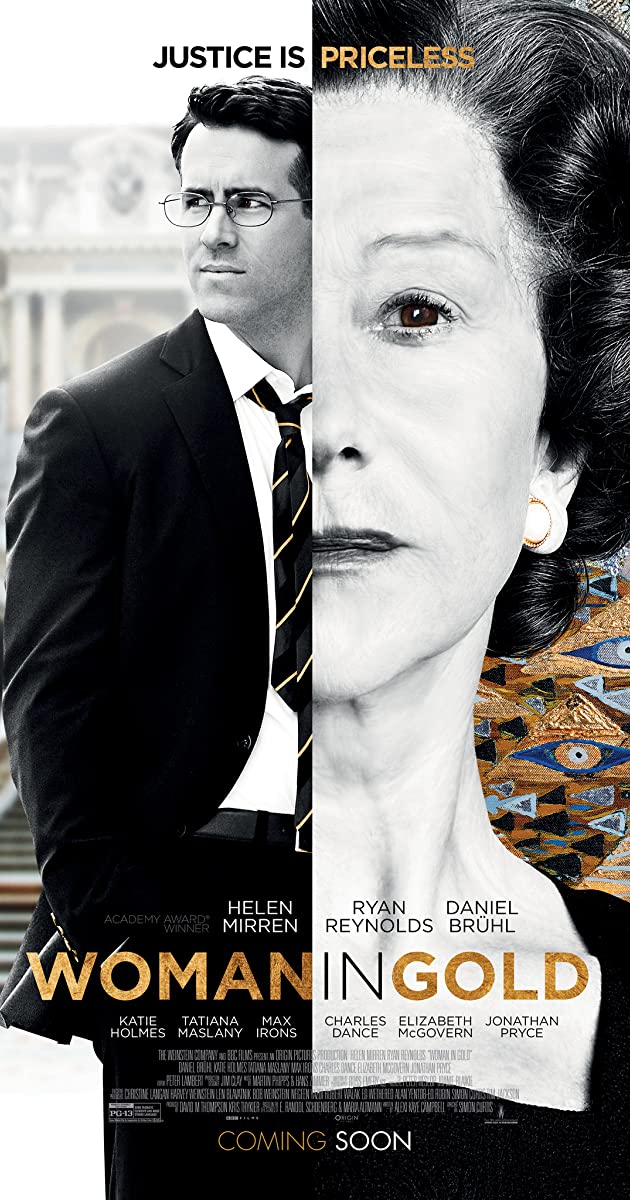 Our board and team of volunteers are always reading, sharing, and recommending books to each other on the Holocaust, Poland, Jewish history, and more. It's one of the ways we educate ourselves on the Shoah, or Holocaust. There is much to be learned through an autobiography of a survivor or a novel based on real events that happened in towns all over Europe during this horrible time in history. We thought we'd share our reading list with you. Whether you like memoir, biography, historical survey, or powerful fiction, there's something here for you. Most are not easy reads. The stories that are shared will leave you unsettled, and yes, angry. But there's truth and warnings to be gleaned from these words today. Learning about this history is a powerful way to remember those who lived it and did not survive. Join us in remembering these lives through the power of their words. Click on the book image to learn more about it. Check back often as we'll be adding more books to the list. Nonfiction Recommendations 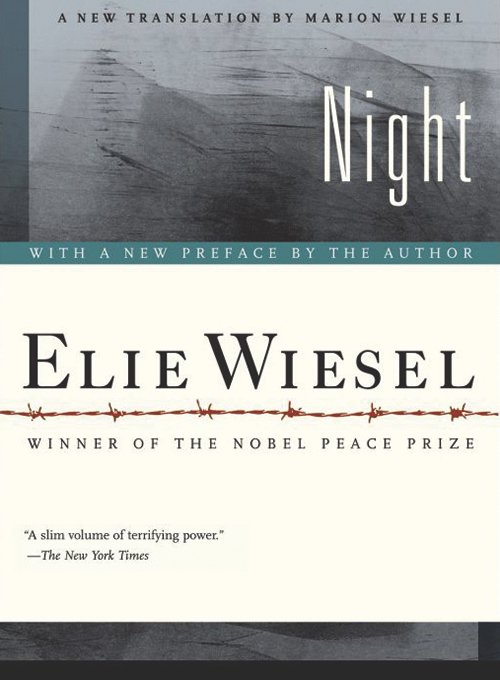 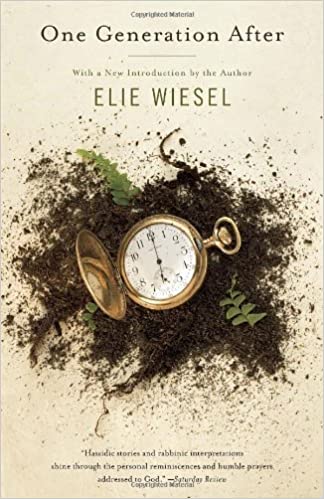 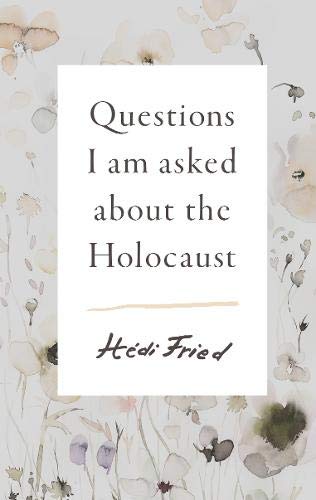 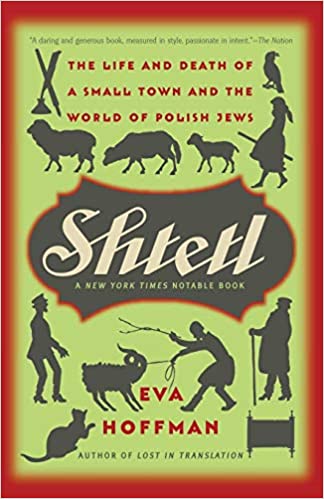 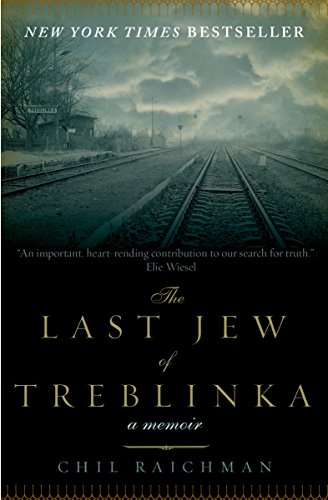 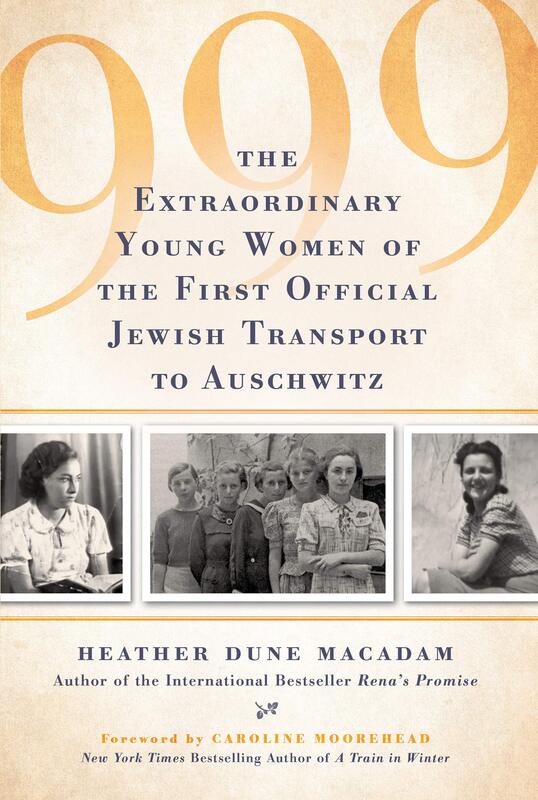 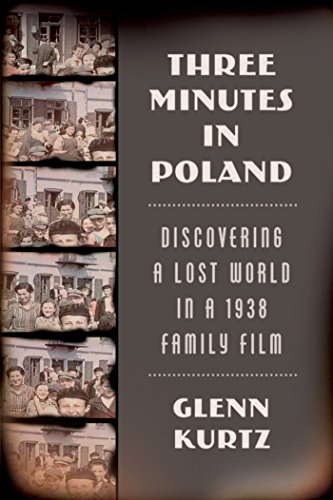  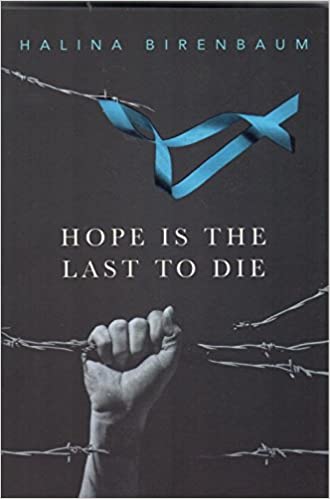     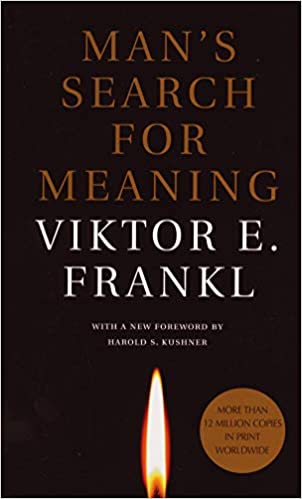 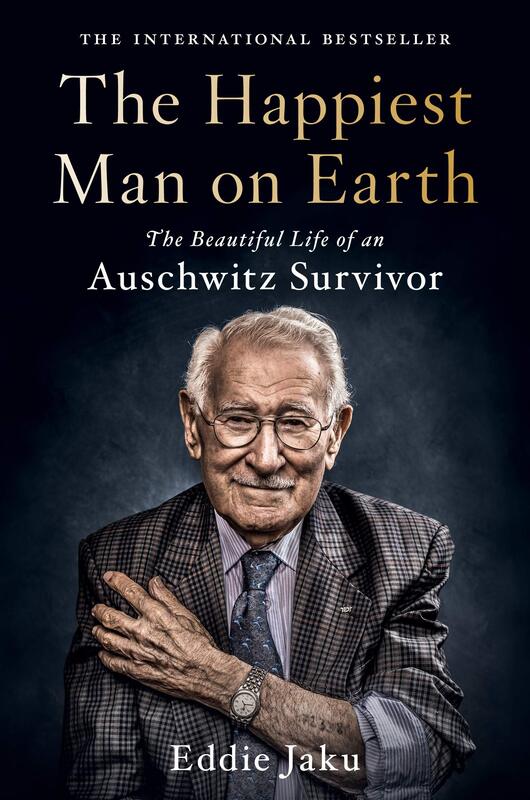 Fiction Recommendations 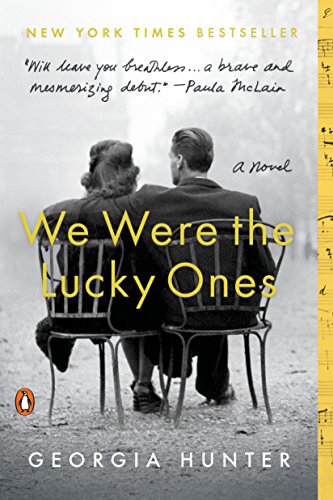 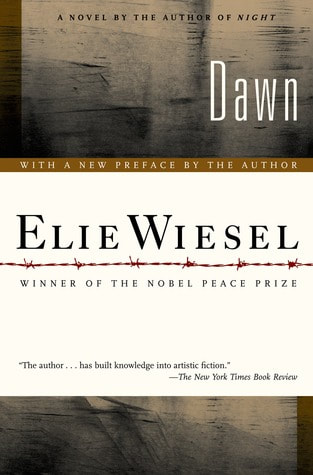 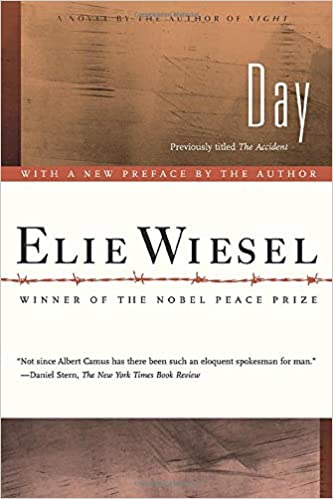 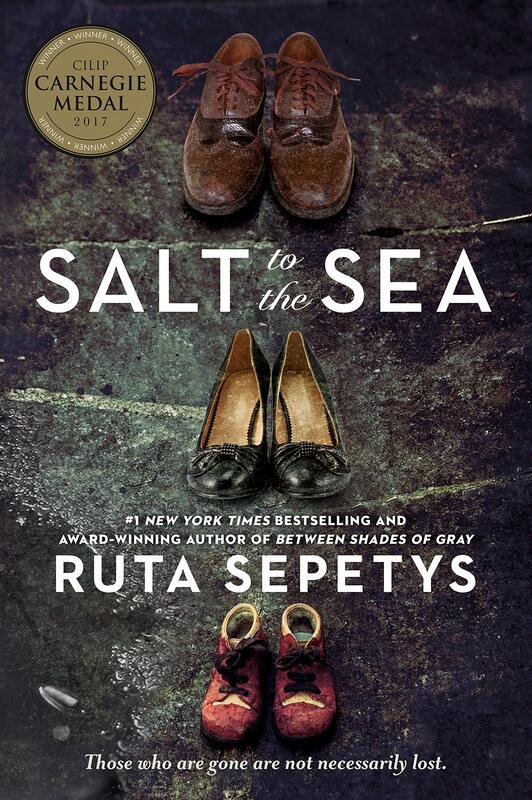 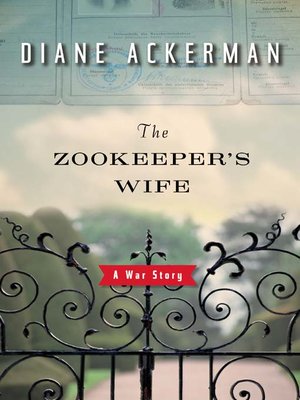 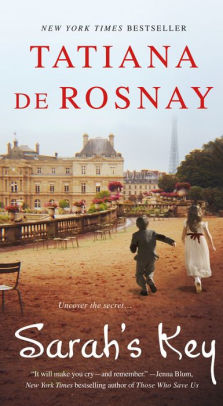     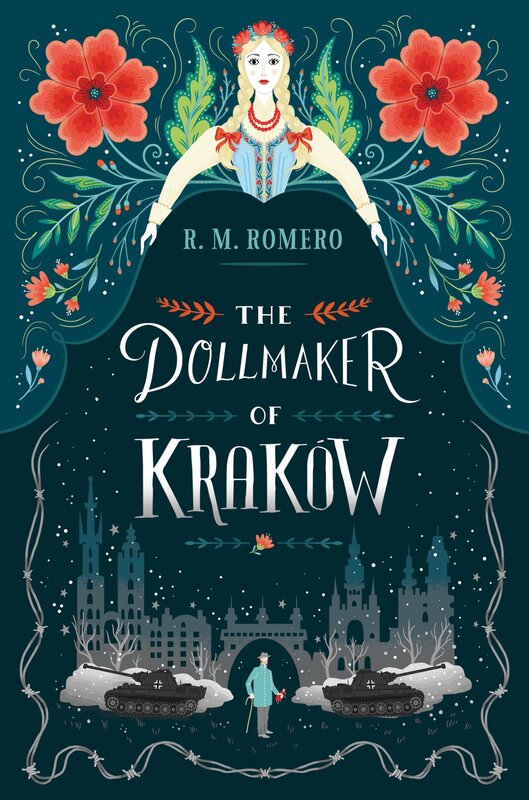 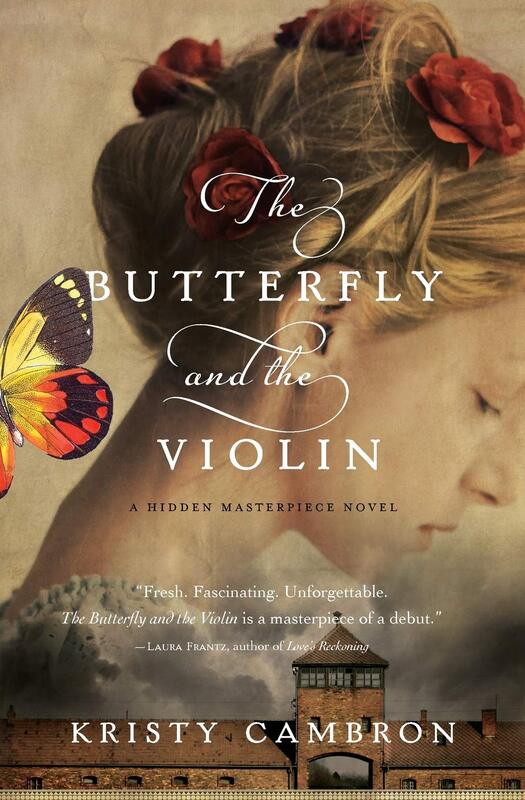 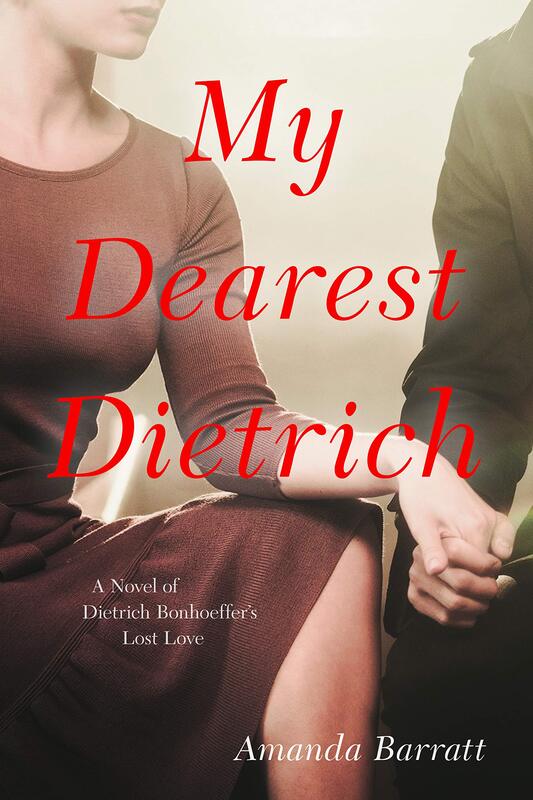 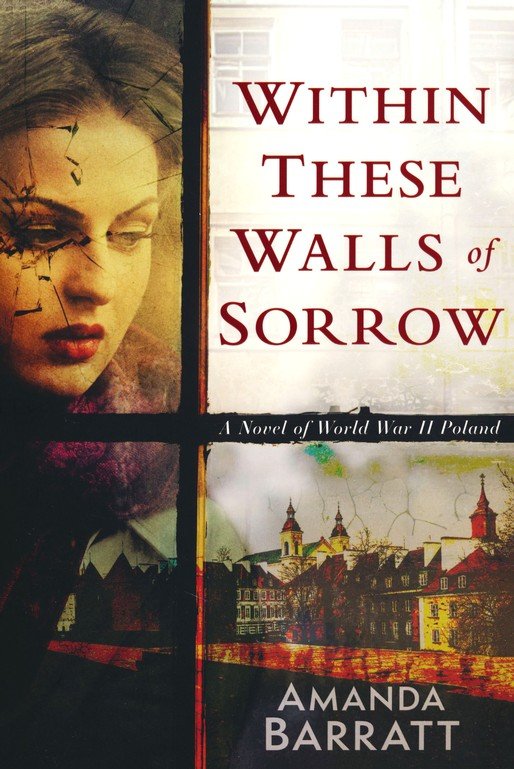 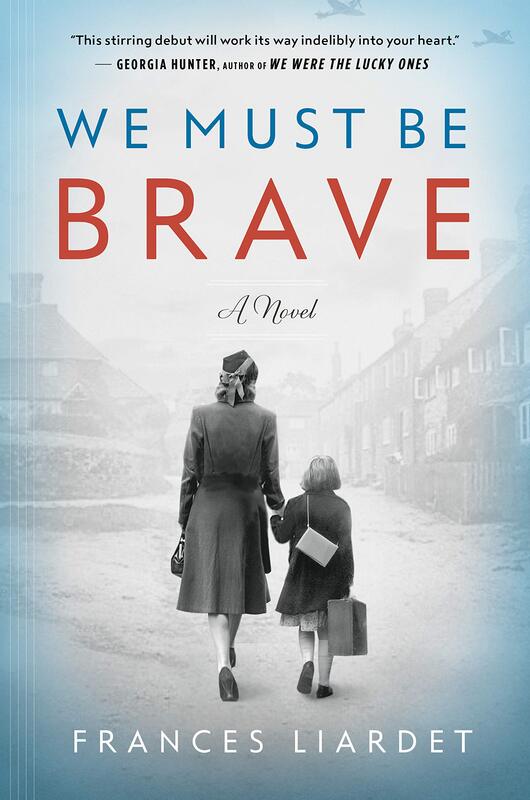 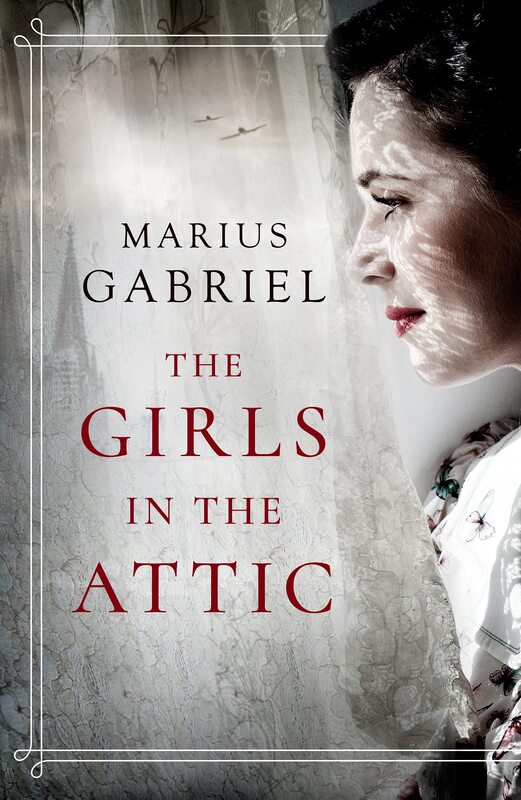 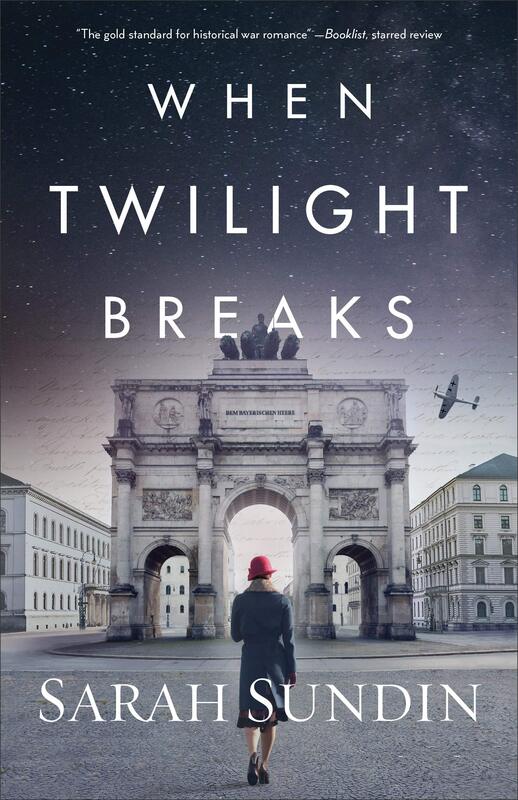 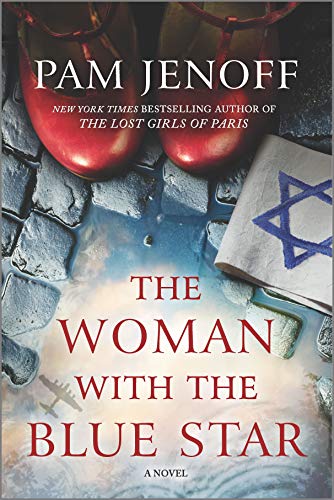 The Matzevah Foundation is pleased to announce the graduation of our president, Steven D. Reece, from Andrews University with a doctorate of philosophy in leadership. 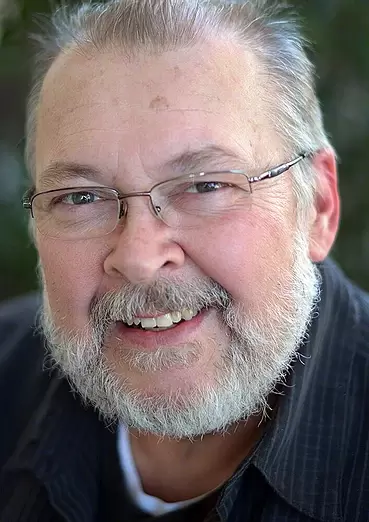 Have you ever gone somewhere for the first time and felt like you’ve been there before? That’s how I felt standing under the Arbeit Macht Frei, “Work Makes You Free,” sign in Auschwitz in 2007. Black and white images that I had only seen in textbooks, movies, and documentaries were now in full color all around me. I quickly realized that nothing I had learned in my classes or through films could have prepared me for that visit. 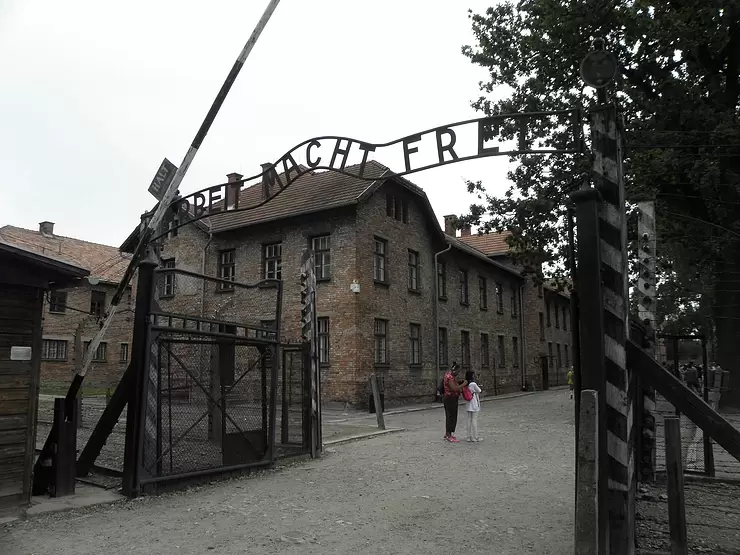 As we embark on a new year, we wanted to share with you a review of our work from 2019. The Matzevah Foundation (TMF), in our ninth year of existence, continues to see growth with each passing year. That growth comes in a variety of forms from the number of projects we conduct in Poland to the number of volunteers who give of their time and resources to the growing impact that TMF has not just in Poland but around the world. While our most visible activity occurs during the summer with our cemetery restoration and commemoration projects, our team works each moth to further the scope of our work. We are excited to share with you a snapshot of our work from this past year! A note from our president 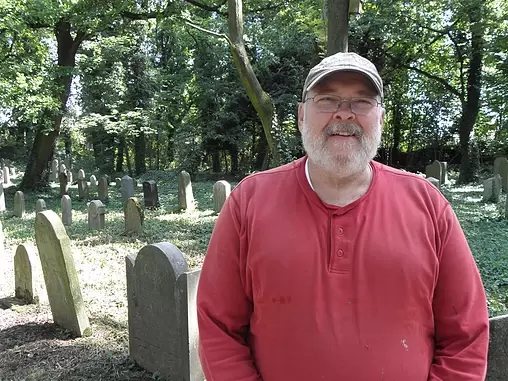 November 13 was our big event in Nashville where we had a screening of The Presence of Their Absence. We had 70 people join us on a very cold and traffic-filled night at the Brentwood Library. After watching the film together, Steven, Donna, and Fred took questions from the audience. It was wonderful to hear how different aspects of the film resonated with people. 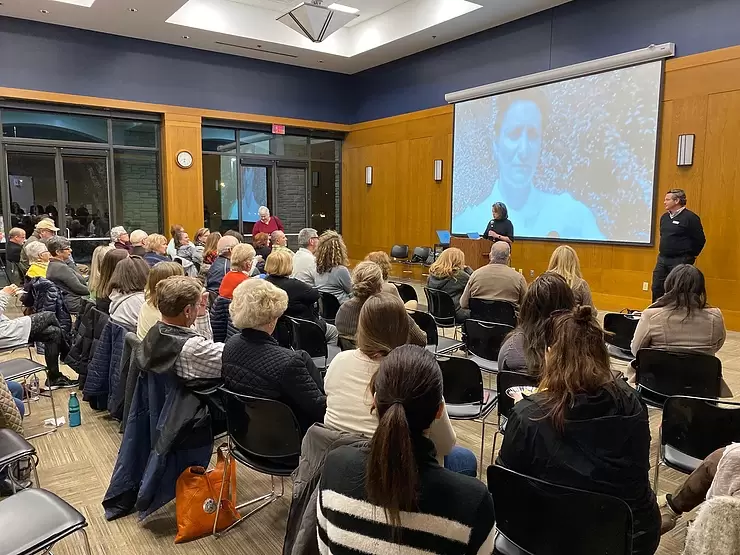 |

 RSS Feed
© The Matzevah Foundation, Inc. All rights reserved.